Webstore: Napoleonic British Royal Artillery 6-pdr cannon (Peninsular Campaign)

 Andy Hobday
Note: Models supplied unassembled and unpainted
no comments

Note: Models supplied unassembled and unpainted

Rockets were used by the Royal Marines and the Royal Artillery extensively during the War of 1812 campaigns of 1814; the Battle of Lundy’s Lane, the Plattsburg campaign, the Chesapeake campaign battles of Bladensburg and North Point and lastly, the Battle of New Orleans. Pack contains 1 metal rocketeer, 1 metal horse and 1…
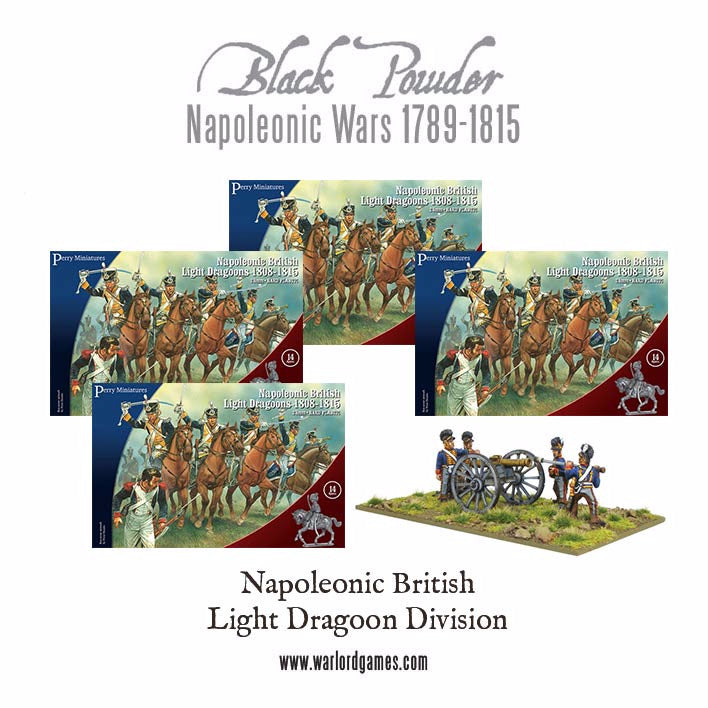
This deal consists of four boxes of Dragoons, enough to make a brigade as well as a Royal Horse Artillery cannon of your choice for free! Perry Miniatures bring the Light Dragoons to life with their box of 14 mounted plastic figures – all you need for a complete Black Powder Regiment, or Brigade if you…

This deal consists of two boxes of Dragoons, enough to make a brigade. Perry Miniatures bring the Light Dragoons to life with their box of 14 mounted plastic figures – all you need for a complete Black Powder Regiment, or Brigade if you have a 2nd box. The figures in the box cover all the regiments…

Perry Miniatures bring the Light Dragoons to life with their box of 14 mounted plastic figures – all you need for a complete Black Powder Regiment, or Brigade if you have a 2nd box. The figures in the box cover all the regiments of the British light dragoons from 1808-15. Early Peninsula War uniforms consisting of…

Pack contains 6 metal figures, 2x 50mm spears and two finials. Note: Models supplied unassembled and unpainted
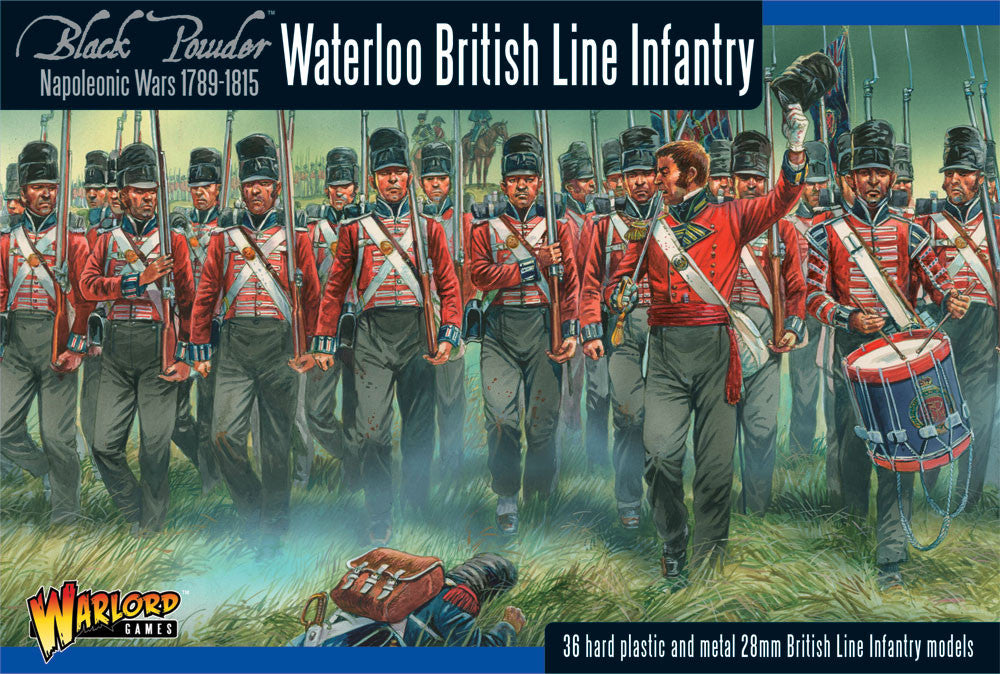
With the return of the French tyrant Napoleon Bonaparte from his exile on the island of Elba, Britain and her allies of the 7th Alliance once again prepared to face the might of the French Army in what would be known as the Hundred Days Campaign. <

This superb set of standards has been designed by Victrix’s own Stephen Hales (also of Little Big Men Studio fame) and includes King’s and Regimental Colours. As well as highly detailed flags thi

This superb set of standards has been designed by Victrix’s own Stephen Hales (also of Little Big Men Studio fame) and includes King’s and Regimental Colours. As well as highly detailed flags thi
 Graham Davey