Webstore: Buffalo Hump and His-oo-san-chess

 Andy Hobday
Pack contains 2 metal foot figures. Note: Models supplied unassembled and unpainted
no comments

Pack contains 2 metal foot figures. Note: Models supplied unassembled and unpainted

Pack contains 2 metal commanders and 2 metal drivers. Note: Models supplied unassembled and unpainted
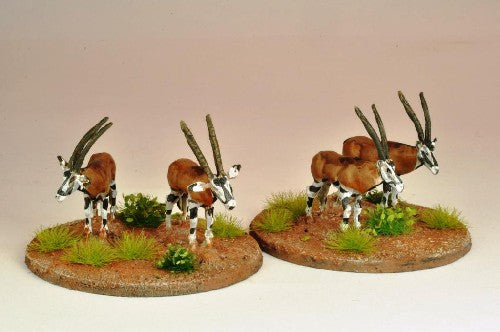
Spice up your African battlefields with Cape Buffalo, Wildebeest, Oryx, Kudu, Cheetahs and Crocodiles! Contains: 5 Kudo 1 Cape Buffalo 5 Wildebeast 5 Oryx 2 Cheetahs 2 Crocodiles

Pack contains 6 metal foot figures. Note: Models supplied unassembled and unpainted

The P107 Half-track was developed by Citroen in 1934 and then produced by the truck manufacturer Unic after Citroen’s bankruptcy.

Add some great character and detail to your tanks with this useful kit. Included are 3 tank crew members that fit in the hatches of your Warlord resin tanks.

This pack contains the following metal Imperial Roman Auxiliary cavalry: 1 Decurion 1 Vexilifer standard bearer 1 musician with horn Each model is equipped with shield and javelin quiver.

Pack contains 1 metal foot figures. Note: Models supplied unassembled and unpainted

Early War Polish BAR Gunner Firing Single metal miniature, supplied unpainted.

Note: Models supplied unassembled and unpainted